

News
What have we been up to?
>
- Eco Restore Trains Tree Farmers on Bushfire Prevention
As the dry harmattan season approaches, protecting trees from bushfires and livestock damage has become increasingly important for farmers and communities across Northern Ghana whose livelihoods depend on their farms and indigenous trees.
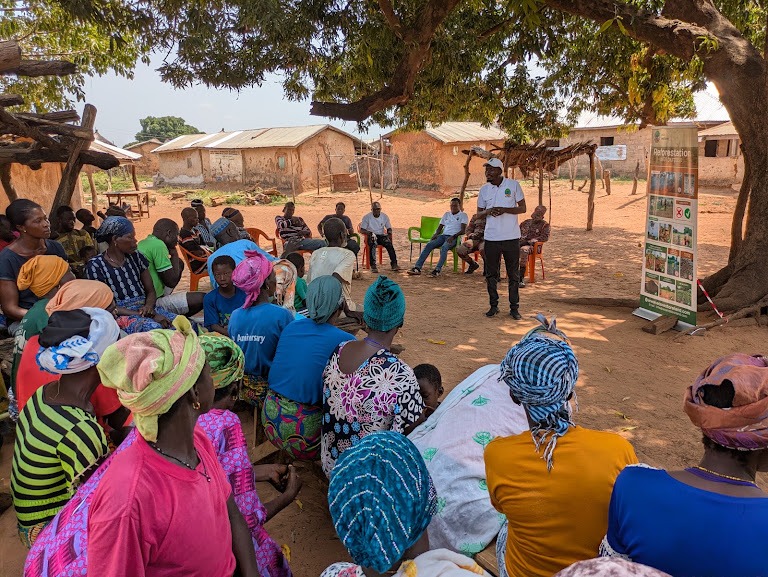
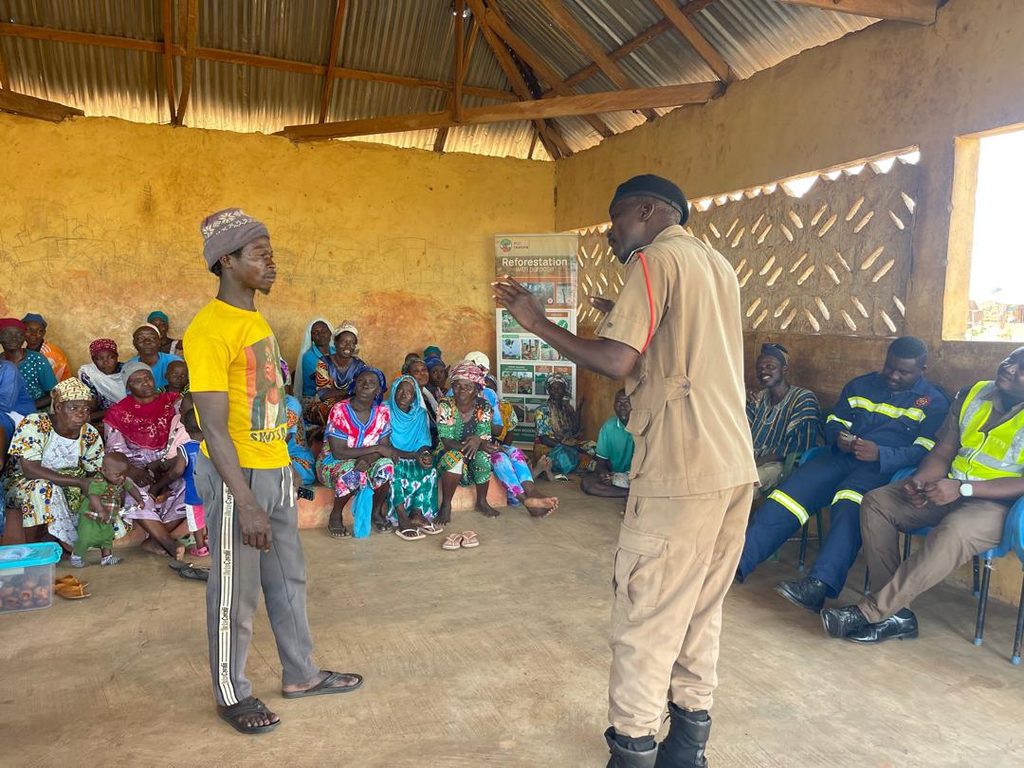
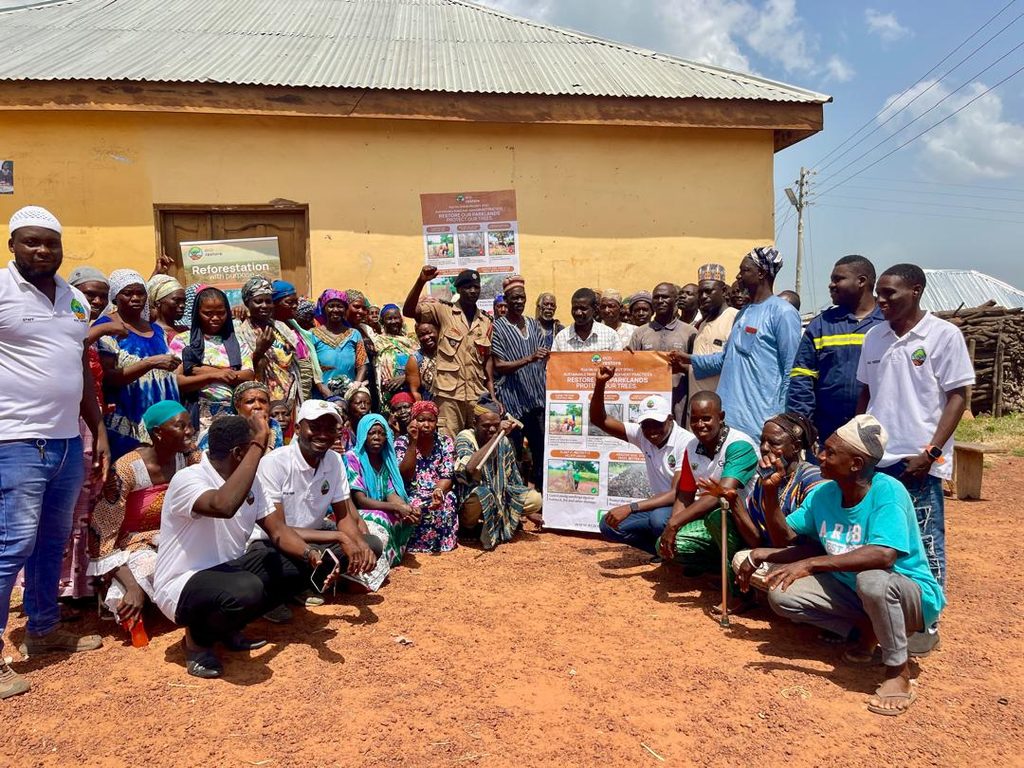
Against this backdrop, Eco Restore Ltd., in collaboration with its partners has conducted its annual practical training on fire and livestock protection for improved parkland management across 27 communities in the North East and Savannah Regions. The training, which ran from 20th to 31st October 2026, brought together farmers and community members to discuss the threats facing their parklands and the steps they can take to protect them.
The training focused on wildfire prevention, the creation of firebreaks, clearing dry vegetation around trees, protecting young trees from livestock and fire, and improving soil health through regenerative agricultural practices such as composting and mulching.
The beneficiary communities included Sawaba, Boayini, Zanguga, Singbini, Sagadugu, Binduri, Nabulugu, Takorayiri, Boamasa, Kparigu, Shelinvoya, Daboya, Sooba, Tiya, Fung, Fio East and Fio West, all located in the West Mamprusi Municipality.
The other communities were Naamiyala, Bongbini, Gbangu, Bunboazio, Tangbini and Tinpela in the East Mamprusi Municipality, as well as Tari No. 1, Tari No. 2, Singa and Anyanto in the North Gonja District.
Leading the training, Abubakari Amadu Baaba, Assistant Operations Manager for Tree Growing at Eco Restore, said the exercise formed part of the organisation’s continued efforts to equip tree farmers with knowledge about the causes and risks of bushfires and practical ways to protect their trees and sustain healthy parklands.
“In this part of the country, unsustainable practices such as bush burning, tree cutting and the burning of trees for charcoal production have contributed to severe parkland degradation. As we approach the dry harmattan season, the risk of bushfires increases, and we believe this is the time for farmers to be extra vigilant and take the necessary steps to protect their trees,” he said.
Eco Restore’s Assistant General Manager, Adam Osman Wumbei, emphasised that the organisation’s work goes beyond growing trees. “Our work goes beyond growing trees. That is why, together with our partners, we are promoting zero burning and more sustainable parkland management practices to help address activities that have contributed to the degradation of our landscapes,” he added.
Station Officer One Akolbila Joseph of the Ghana National Fire Service in the North East Region commended Eco Restore and its partners for organising the training ahead of the harmattan season. He encouraged farmers to put the fire prevention measures they had learnt into practice to help prevent and contain bushfires.
Karim Wumpua, a tree farmer from Gbangu, identified bush burning as one of the major challenges facing farmers in her community. She appealed to fellow farmers to stop the practice, explaining that when fire destroys trees and farmlands, it also affects the natural resources that support their livelihoods and food security.
Another farmer from Gbangu, Gumah Iddrisu, expressed his appreciation for the seedlings he received from Eco Restore, including dawadawa and shea. He also highlighted how the organisation had equipped him with the knowledge and skills to care for the trees and protect them from bushfires and livestock damage.
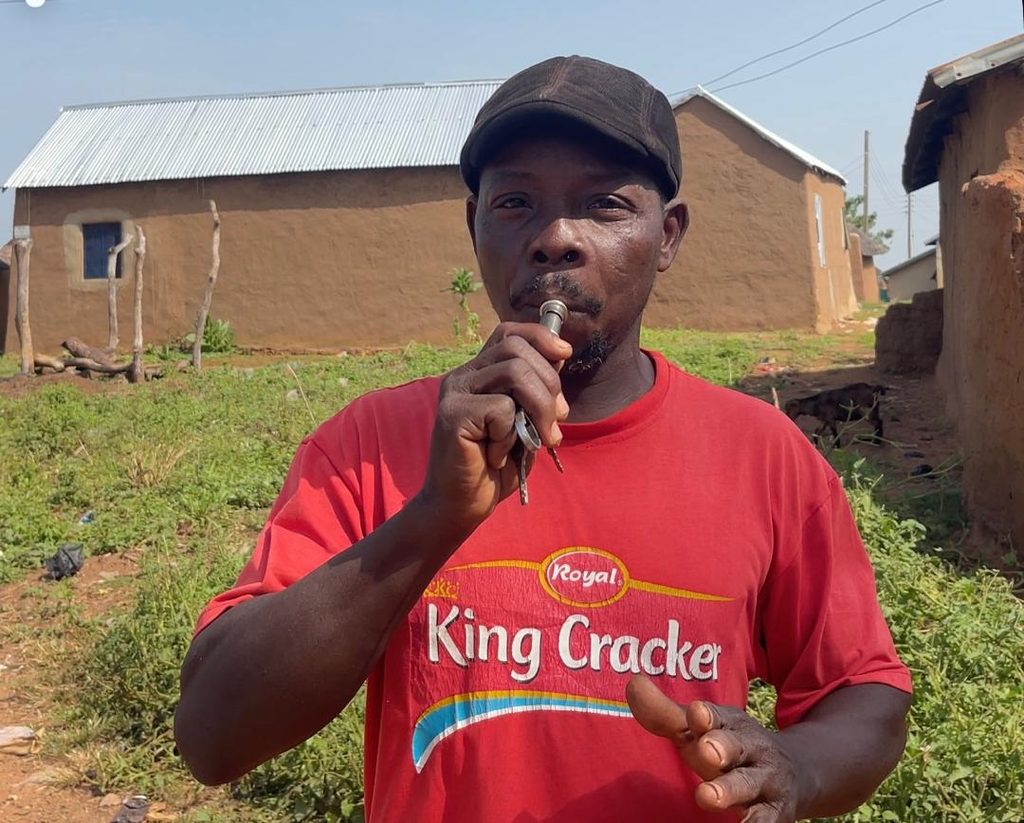
At Boayini, community members have also taken a locally driven approach to responding to fire outbreaks. Inusah Sule, a farmer from the community, explained how they have organised themselves into a group and use whistles to alert one another whenever a fire breaks out.
“To put what we have learnt from Eco Restore and its partners into practice, we have formed a group here in Boayini. We use whistles to alert one another whenever there is a fire outbreak, so that we can come together and respond quickly. It is a simple way of raising the alarm and bringing it together to fight the fire,” he added.
The training is being delivered across 17 communities under the Ghana Shea Landscape Emission Reductions Project (GSLERP), 6 Fuji Oil Ghana Project communities and 4 Golden Forest Project communities.
GSLERP is funded by the Green Climate Fund, with matching private-sector investments, and is jointly implemented by the Forestry Commission of Ghana and the Global Shea Alliance, with technical assistance from the United Nations Development Programme. Through GSLERP, Bunge partners with Eco Restore Ltd. to establish community nurseries, train tree farmers and restore degraded lands through indigenous tree planting.
The wider training effort also builds on Eco Restore’s work with Fuji Oil Ghana, a major shea processing firm that finances further parkland and restoration efforts through the growing back of tens and thousands of indigenous trees across Northern Ghana, and Golden Forest, a major buyer of Ghanaian shea who wishes to support indigenous tree restoration across Northern Ghana.
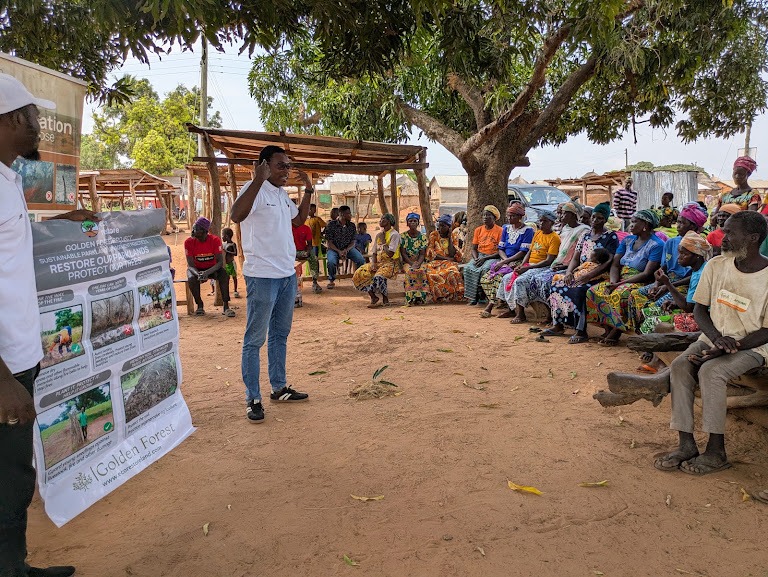
- Eco Restore Launches 2026 Annual Tree Growing Season at Tari No. 2
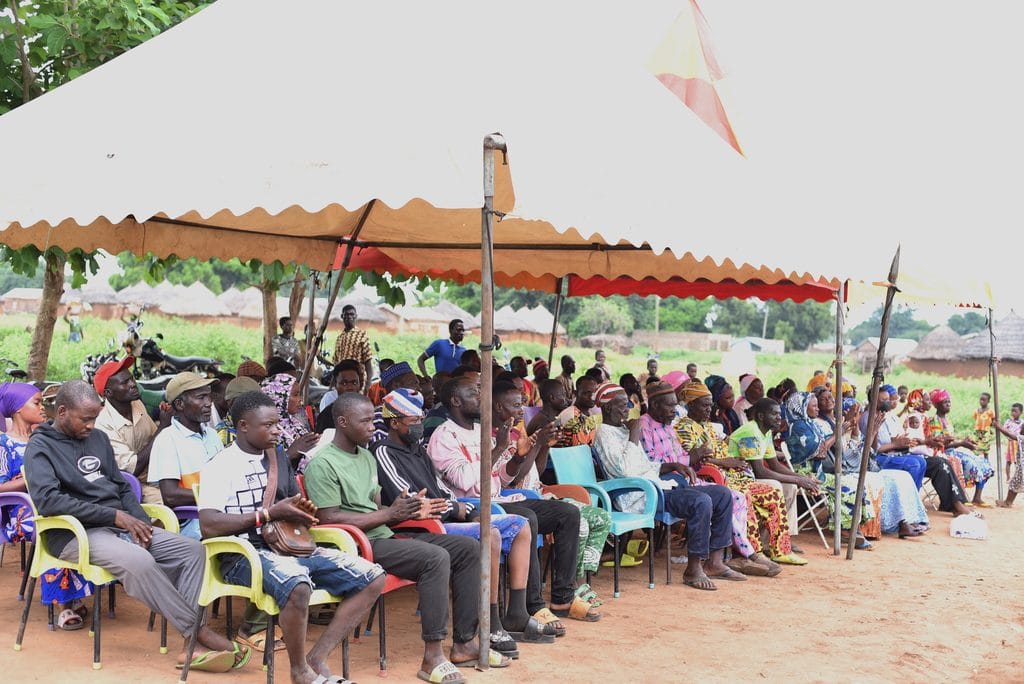
Eco Restore has officially launched its 2026 Annual Tree Growing Season at Tari No. 2 in the North Gonja District of the Savannah Region, marking the beginning of the organization’s annual field planting activities across its restoration landscapes.
The launch, held on Saturday, June 27, 2026, also provided an opportunity to strengthen partnerships, promote environmental stewardship, and reaffirm a shared commitment to restoring degraded landscapes and enhancing ecosystem health across northern Ghana.
This year’s season is closely aligned with the Golden Forest × Eco Restore Indigenous Tree Restoration Project (2026–2028), which is being implemented across four communities in the Daboya enclave, namely Singa, Tari No. 1, Tari No. 2, and Ayanto. The project targets the planting of 12,000 indigenous trees, including shea, baobab, rosewood, mahogany, kapok, and other native species to restore degraded landscapes and strengthen climate resilience.
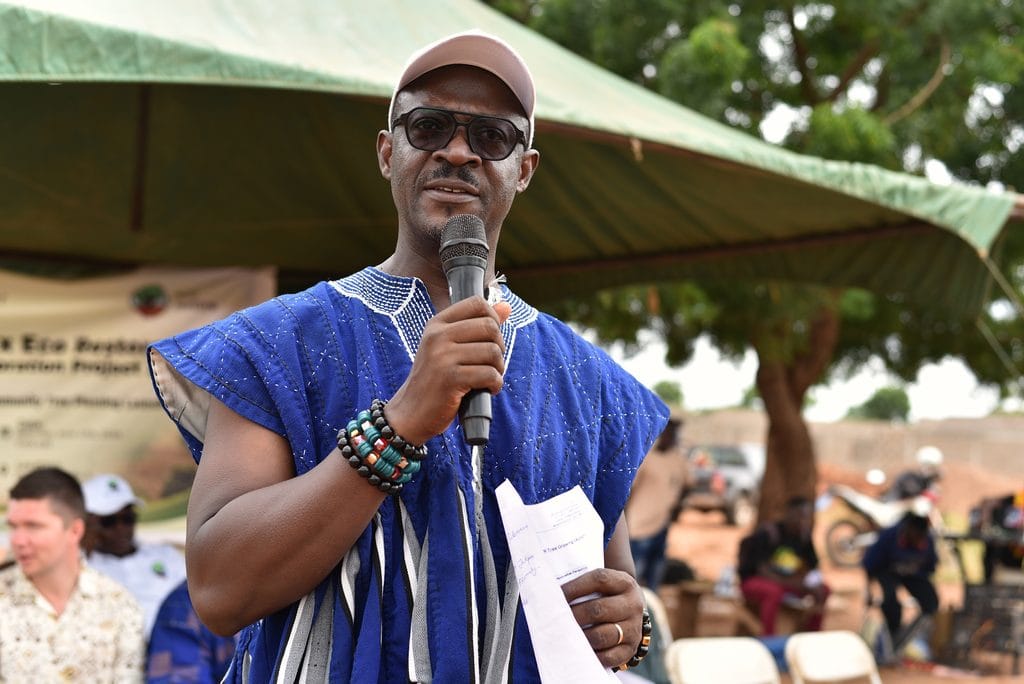
Speaking at the launch, representatives of Golden Forest emphasised the importance of protecting mature shea trees and called for an end to harmful practices such as unsustainable charcoal production, encouraging stronger community stewardship of natural resources.
The District Director of Agriculture, Mr. Mahama Sule, encouraged farmers to adopt sustainable agricultural practices that promote soil conservation, improve productivity, and support long-term land restoration efforts in the district.
A Director at Eco Restore, Mr Senyo Kpelly, underscored the importance of reviving traditional and sustainable land management practices to improve soil health.
“We need to look at the traditional practices that have sustained our soils for generations and make better use of organic, locally available inputs such as manure, rather than relying heavily on chemical fertilisers that can degrade soil quality over time,” he said.
The Chief of Tari No. 2, Abdulai Bankpema pledged the commitment of traditional leadership to strengthening community by-laws that protect shea trees and promote sustainable land management practices.
The launch brought together farmers, women’s groups, youth associations, traditional authorities, government institutions, development partners, and community members, who jointly participated in indigenous tree planting activities, reaffirming a shared commitment to restoring and protecting the Savannah landscape.
We extend our heartfelt appreciation to the farmers, women’s groups, traditional authorities, partners, and all community stakeholders whose participation and support made this launch a success.
Vens_Photo 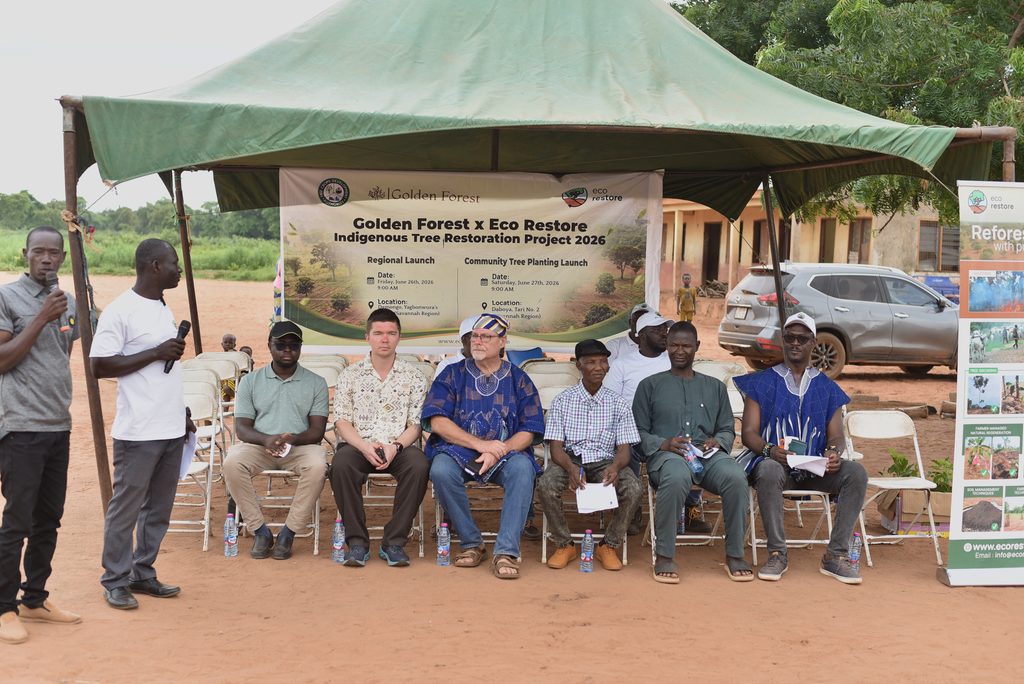
Vens_Photo 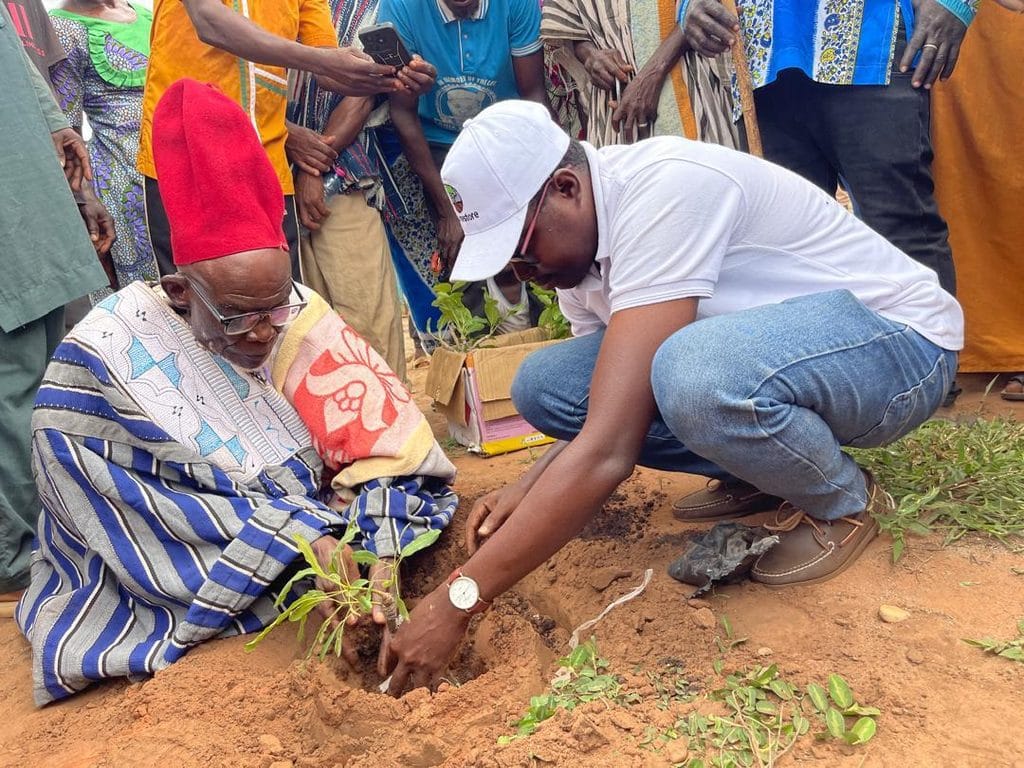
Vens_Photo 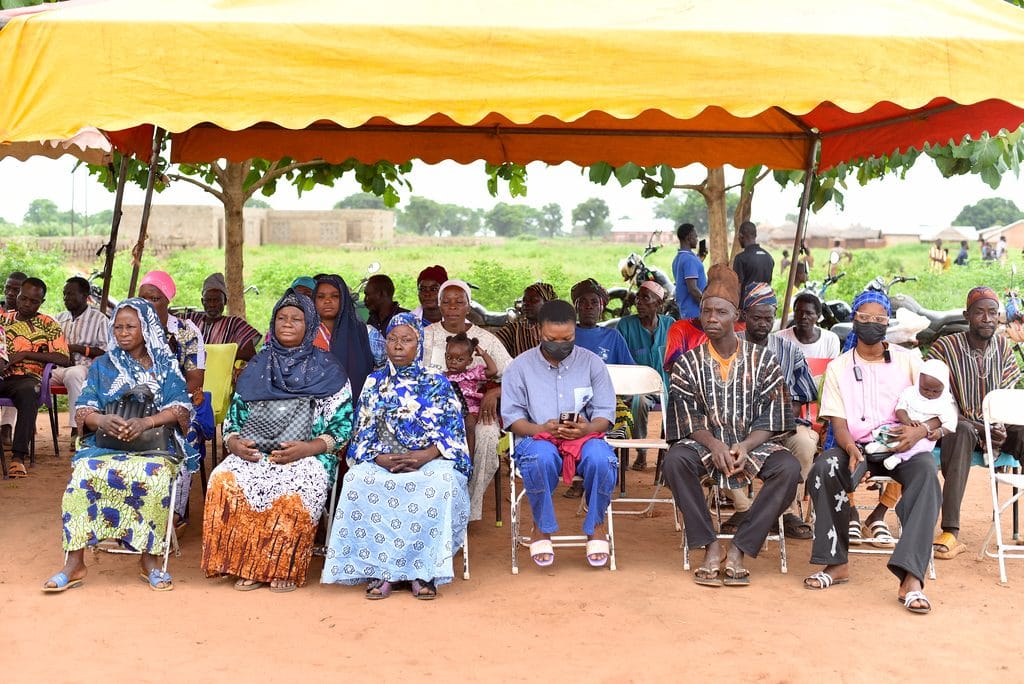
Vens_Photo - Golden Forest and Eco Restore Launch Indigenous Tree Restoration Project in Damango
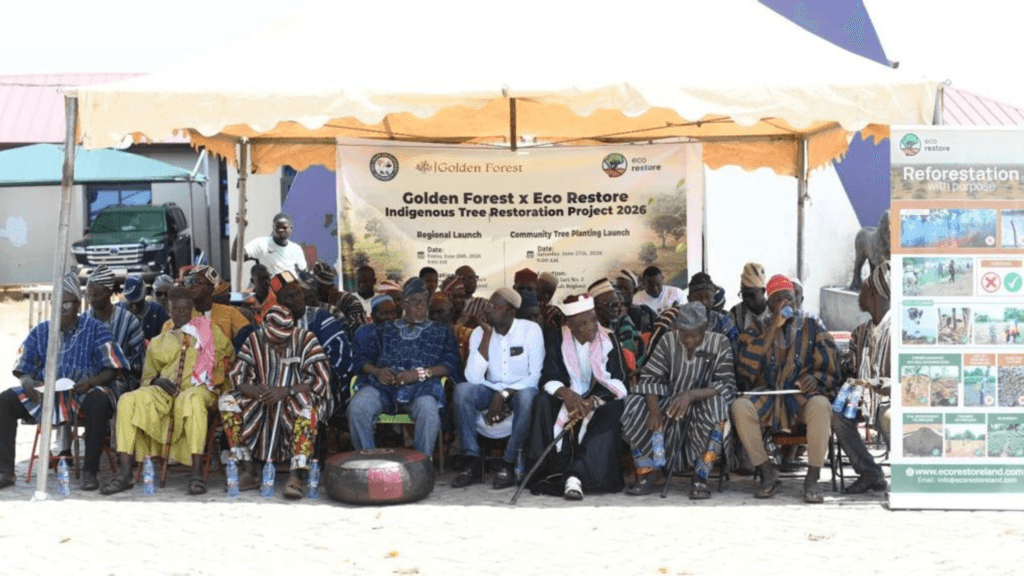
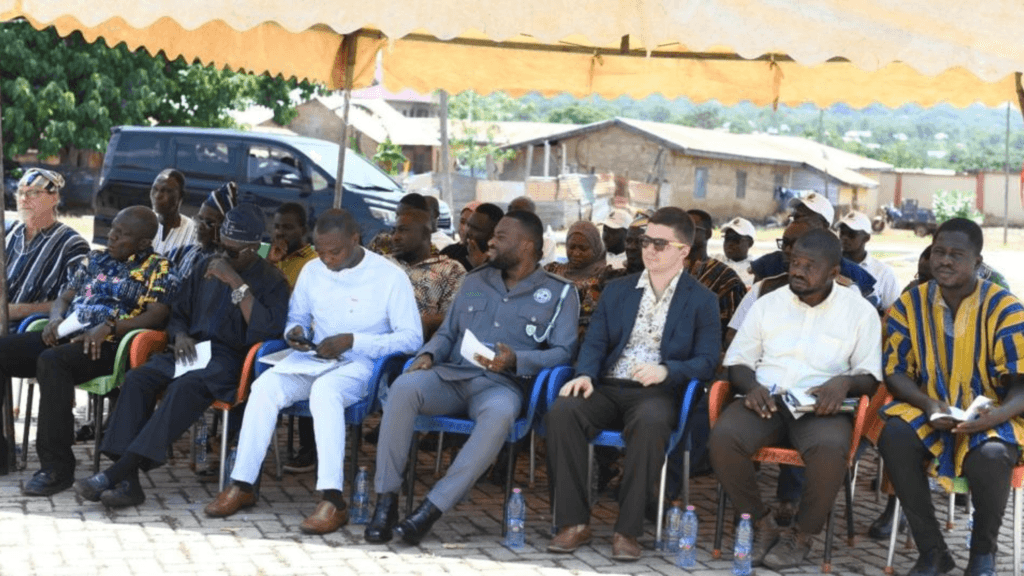
The Golden Forest × Eco Restore Indigenous Tree Restoration Project (2026–2028) was officially launched on Friday, June 26, 2026, at the Yagbonwura’s Palace in Damango, marking the beginning of a major landscape restoration initiative in Ghana’s Savannah Region.
Implemented by Eco Restore with funding support from Golden Forest, the three-year project will restore 12,000 indigenous trees across the communities of Ayanto, Singa, Tari No. 1, and Tari No. 2. The initiative will promote the planting of native species, including shea, dawadawa, baobab, mahogany, rosewood, kapok, and tamarind, to restore degraded landscapes, strengthen biodiversity, and improve community resilience.
To date, 11,481 trees across nine indigenous species have been planted, representing significant progress towards the project’s overall restoration target, while planting activities continue across the landscape
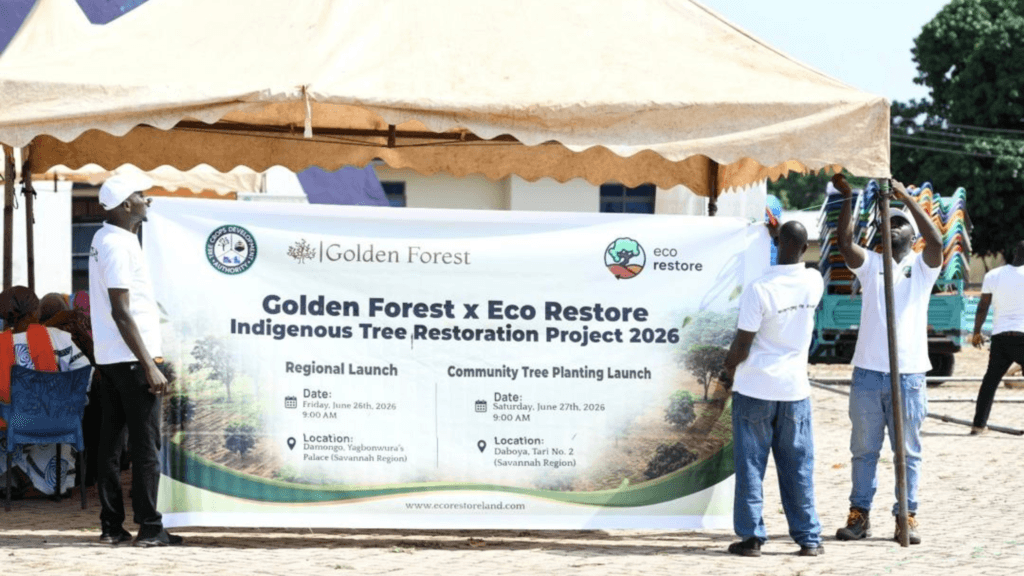
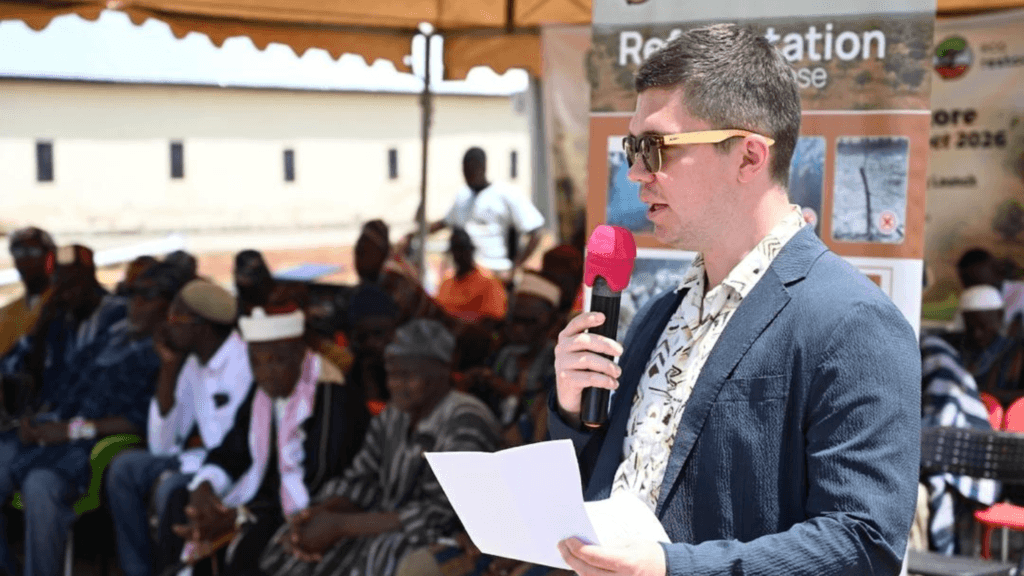
Addressing participants at the launch, Mr. Vlad Kolesnik, representing Golden Forest, reaffirmed the company’s commitment to sustainable sourcing and the importance of healthy landscapes to the long-term future of the industry.
“Investments in restoration contribute not only to environmental protection but also to the resilience of supply chains and rural livelihoods,” he said.
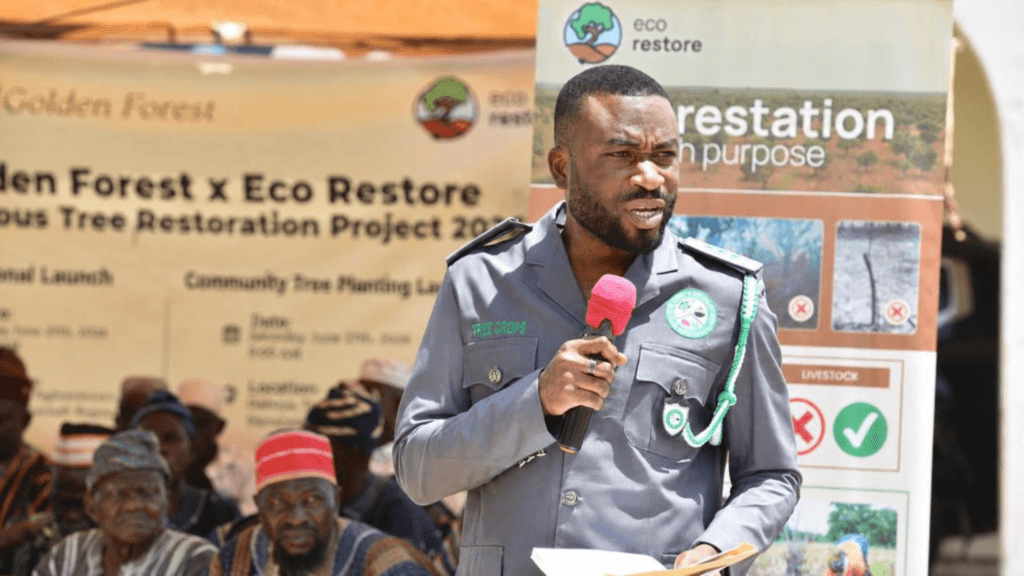
The Deputy Chief Executive Officer (Operations) of the Tree Crops Development Authority (TCDA), Mr. Rich Kofi Kofituo, delivered remarks on behalf of the Chief Executive Officer, Dr. Andy Ankrah, highlighting the Authority’s commitment to strengthening Ghana’s shea value chain through improved collaboration and sustainable development.
Eco Restore emphasized that lasting landscape restoration depends on strong community ownership and long-term stewardship. Through the project, the organisation will promote indigenous tree restoration, regenerative land management practices, and Nature-based Solutions (NbS) to strengthen ecosystem health and climate resilience across the savannah landscape.
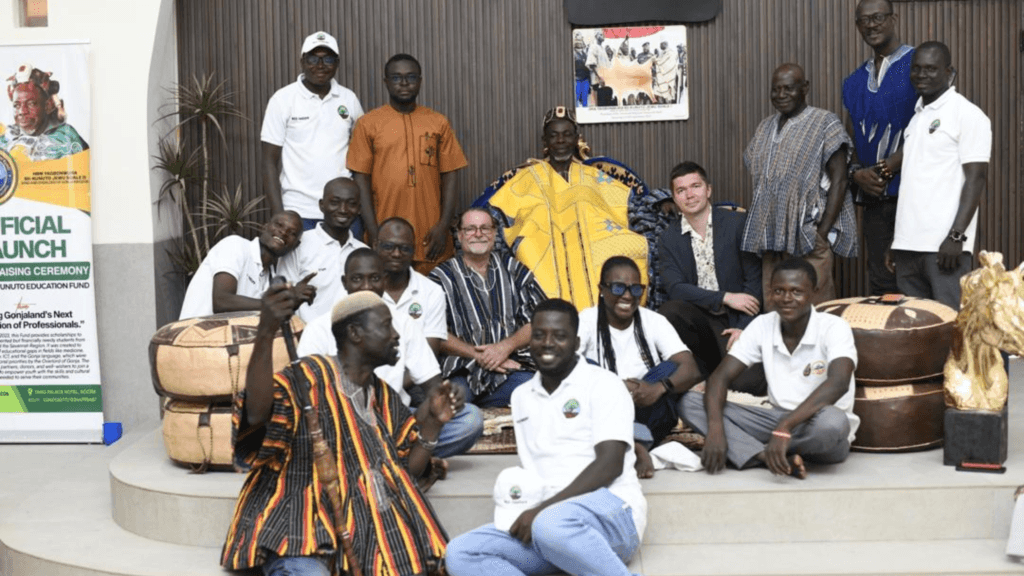
The overlord of the Gonja traditional kingdom, His Royal Majesty, Yagbonwural Jewu Soale I, in a speech read on his behalf by the Damangowura welcomed the partnership and underscored the vital role of traditional leadership in protecting natural resources and supporting environmental restoration.
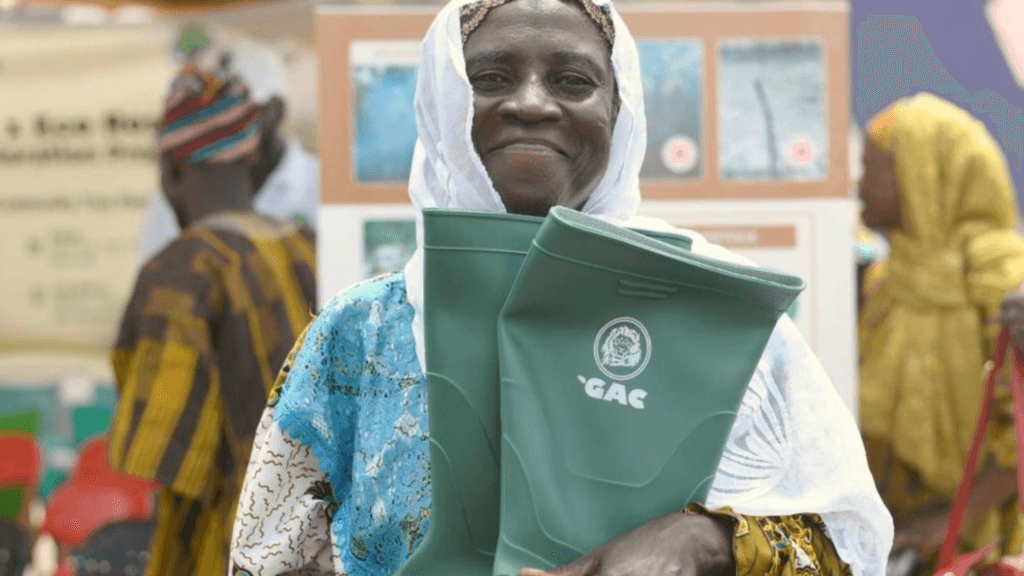
The launch also featured the symbolic planting of indigenous tree species like shea and mahogany, officially signalling the start of field implementation. Personal Protective Equipment (PPE) was presented to women shea collectors and farmers to support safer participation in restoration and shea-related activities.
The event brought together traditional authorities, government institutions, development partners, civil society organisations, and community representatives, demonstrating a shared commitment to restoring degraded landscapes and building climate-resilient communities.
We extend our sincere appreciation to all partners, stakeholders, and community members whose support made this launch possible.

Get in Touch
Ready to make a difference?