
Eco Restore has officially launched its 2026 Annual Tree Growing Season at Tari No. 2 in the North Gonja District of the Savannah Region, marking the beginning of the organization’s annual field planting activities across its restoration landscapes.
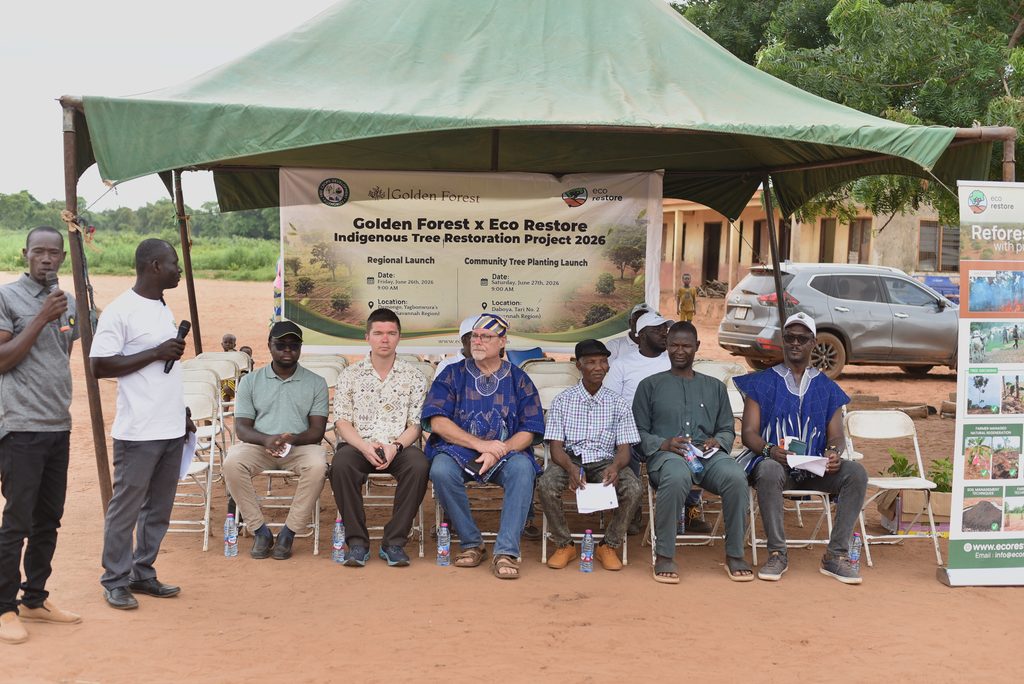
The launch, held on Saturday, June 27, 2026, also provided an opportunity to strengthen partnerships, promote environmental stewardship, and reaffirm a shared commitment to restoring degraded landscapes and enhancing ecosystem health across northern Ghana.
This year’s season is closely aligned with the Golden Forest × Eco Restore Indigenous Tree Restoration Project (2026–2028), which is being implemented across four communities in the Daboya enclave, namely Singa, Tari No. 1, Tari No. 2, and Ayanto. The project targets the planting of 12,000 indigenous trees, including shea, baobab, rosewood, mahogany, kapok, and other native species to restore degraded landscapes and strengthen climate resilience.
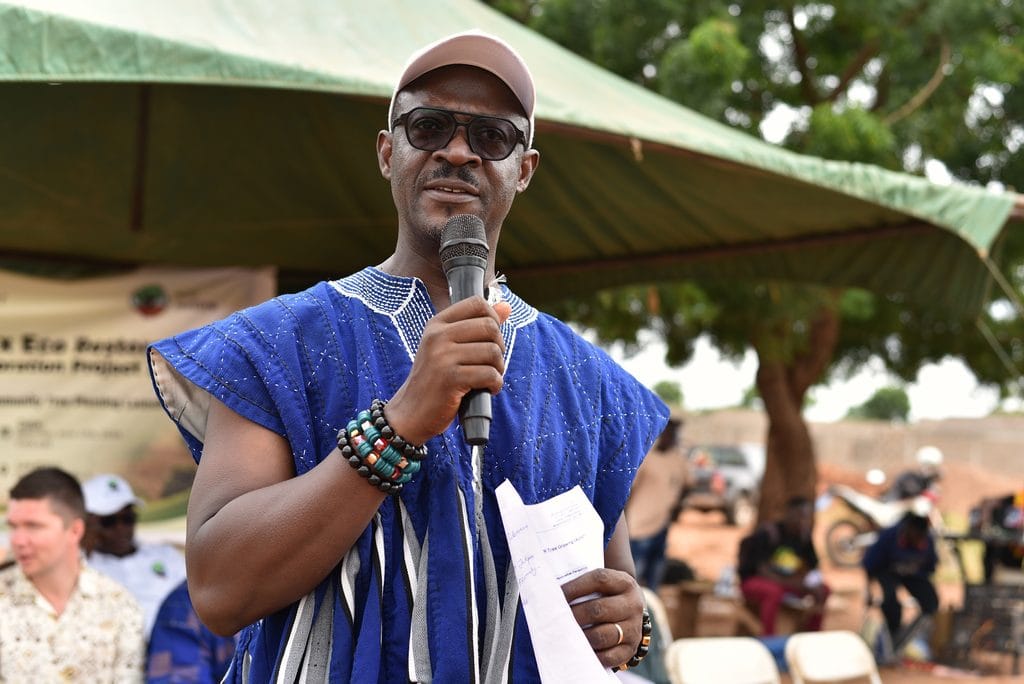
Speaking at the launch, representatives of Golden Forest emphasised the importance of protecting mature shea trees and called for an end to harmful practices such as unsustainable charcoal production, encouraging stronger community stewardship of natural resources.
The District Director of Agriculture, Mr. Mahama Sule, encouraged farmers to adopt sustainable agricultural practices that promote soil conservation, improve productivity, and support long-term land restoration efforts in the district.
A Director at Eco Restore, Mr Senyo Kpelly, underscored the importance of reviving traditional and sustainable land management practices to improve soil health.
“We need to look at the traditional practices that have sustained our soils for generations and make better use of organic, locally available inputs such as manure, rather than relying heavily on chemical fertilisers that can degrade soil quality over time,” he said.
The Chief of Tari No. 2, Abdulai Bankpema pledged the commitment of traditional leadership to strengthening community by-laws that protect shea trees and promote sustainable land management practices.
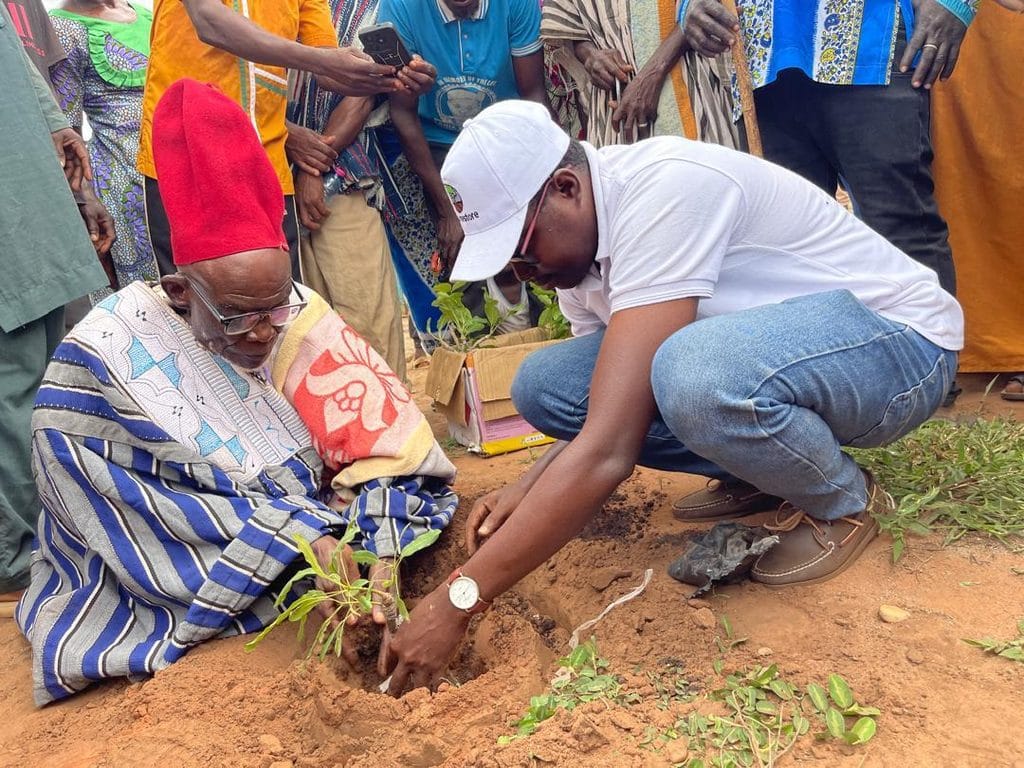
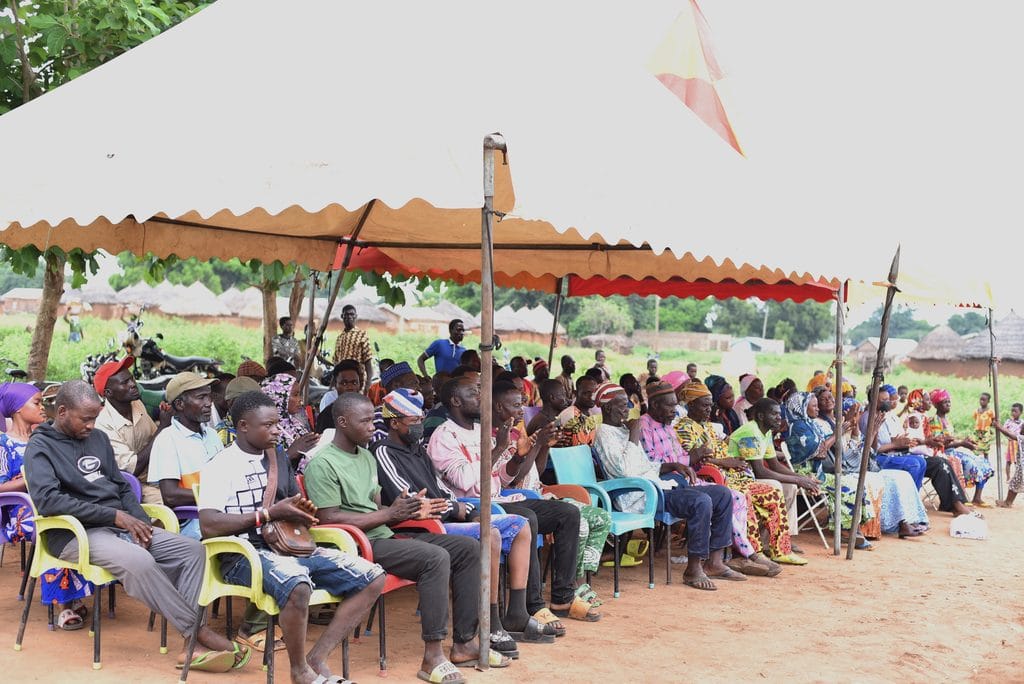
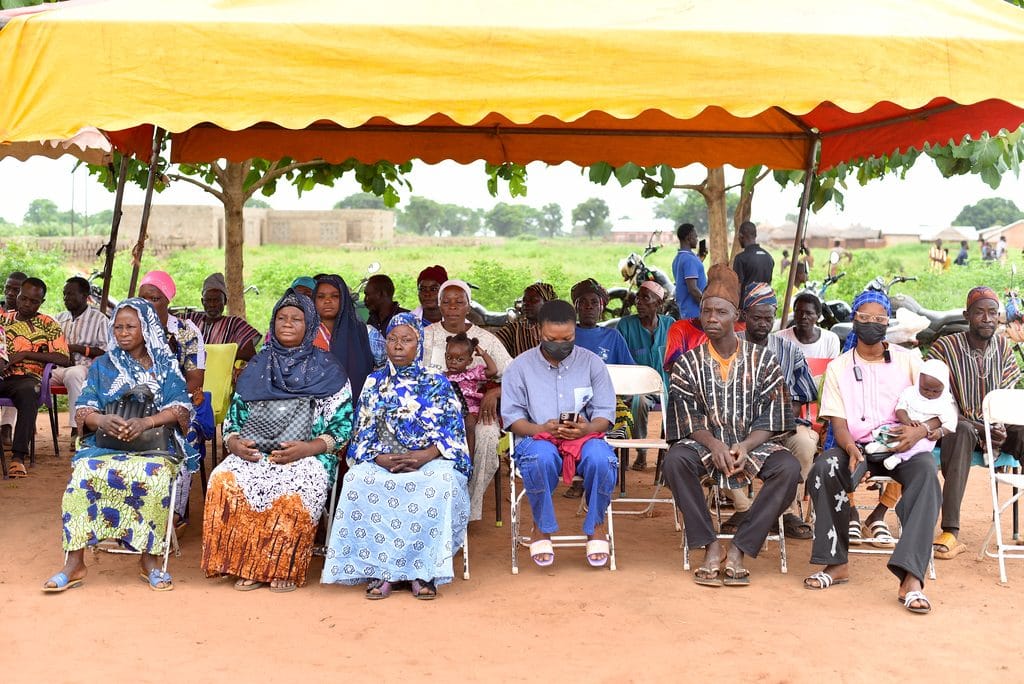
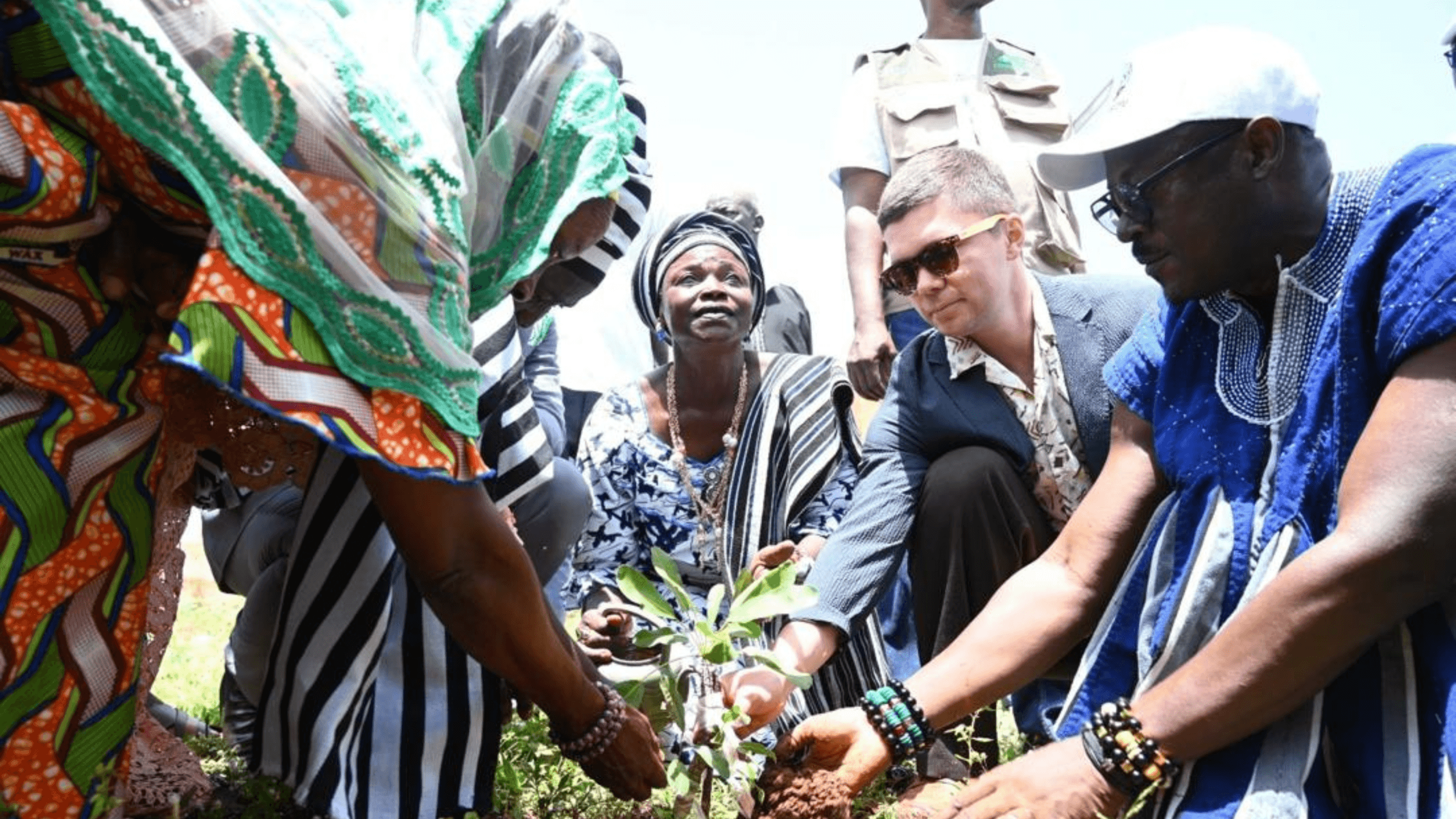
The launch brought together farmers, women’s groups, youth associations, traditional authorities, government institutions, development partners, and community members, who jointly participated in indigenous tree planting activities, reaffirming a shared commitment to restoring and protecting the Savannah landscape.
We extend our heartfelt appreciation to the farmers, women’s groups, traditional authorities, partners, and all community stakeholders whose participation and support made this launch a success.

Leave a Reply